


Should Copilot Relaunch Require Action From Microsoft (MSFT) Investors?
- Microsoft has relaunched and expanded its Copilot platform into a unified workspace that blends Office apps, coding tools, and autonomous agents under a mix of subscription and usage-based pricing. The initiative aims to tie AI more tightly to everyday enterprise workflows.
- The move pushes AI deeper into Microsoft’s core productivity and Azure ecosystems, potentially increasing usage intensity. It also raises questions about how efficiently the company can convert heavy AI infrastructure spending into durable, high-margin cloud and software revenue.
- We will examine how Microsoft’s expanded Copilot platform, especially the new usage-based model, may reshape the existing investment narrative.
Scan beyond Microsoft and see how other AI heavyweights and up and comers could be positioned with our hand picked 84 AI infrastructure stocks for the next wave of Copilot scale compute demand.
Microsoft Investment Narrative Recap
To own Microsoft, you need to believe the business can convert heavy AI and cloud investment into durable usage across Azure, Copilot, and its subscription suites without eroding its strong profitability profile. The near term swing factor is whether Copilot’s unified workspace and usage based pricing actually deepen engagement and paid consumption across large enterprises.
The biggest risk right now is that capital spending and off balance sheet AI infrastructure exposure outruns demand, especially with critics highlighting trillions in potential obligations. Recent Copilot changes and broader AI momentum do not fundamentally change that risk reward tension yet, but they keep execution on AI monetization squarely in focus.
The most relevant fresh data point for this Copilot reset is Jefferies highlighting Microsoft’s new usage based Copilot revenue model. Simple prompts stay within existing subscriptions, while heavier workloads in Cowork, Code, and Autopilot are metered. That creates a clearer operational bridge between AI infrastructure intensity and potential revenue per user over time.
This setup ties directly into the main catalysts and risks. Strong enterprise adoption could help support the large AI CapEx program and address concerns about under monetized usage, particularly given Azure’s current annual revenue scale. If usage skews toward low value tasks or customers resist metered charges, the CapEx burden and margin pressure flagged by critics become harder to ignore.
Microsoft’s current analyst narrative points to US$567.2b in revenue and US$212.2b in earnings by 2029. This outlook is built on an assumed 19.6% yearly revenue growth rate and an earnings increase of about US$78.5b from US$133.7b today.
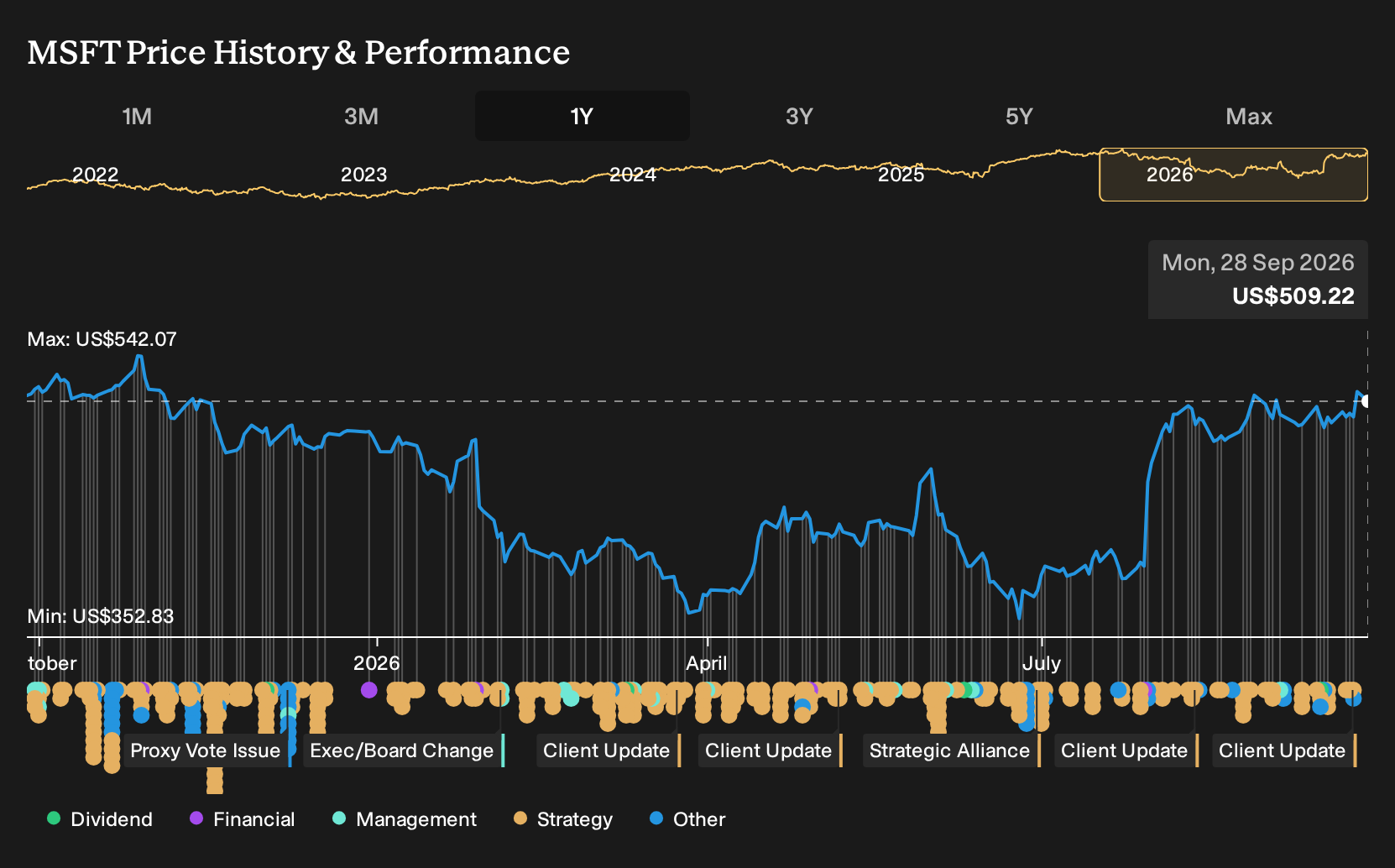
Uncover why Microsoft's fair value indicates a 13% potential upside to its current price before that discount closes.
Exploring Other Perspectives
Some of the most optimistic analysts focus on Copilot and agent usage as the real swing factor for Microsoft, not just headline AI CapEx. They were already penciling in revenue of US$633.1b and earnings of US$244.7b by 2029. With Copilot’s reset and new usage model, those pre news assumptions may either look too cautious or too generous. As you weigh this, treat the latest Copilot launch as a reason to compare several narratives instead of following just one.
Explore 61 other Microsoft fair value estimates, including one that suggests up to 23% upside from the current price!
Form Your Own Verdict
Disagree with existing narratives? Extraordinary investment returns rarely come from following the herd, so consider conducting your own analysis.
- A great starting point for your Microsoft research is our analysis highlighting 3 key rewards and 1 important warning sign that could impact your investment decision.
- See our latest analysis for Microsoft. The report includes a comprehensive fundamental analysis summarized in a single visual, the Snowflake, making it easy to evaluate Microsoft's overall financial health at a glance.
Looking For More Ideas Beyond Microsoft?
If the Copilot reset has you rethinking how AI heavy spending could filter through to returns, it can help to line Microsoft up against a wider set of possibilities. The Simply Wall St Screener lets you quickly scan for other businesses that match the kind of balance sheet strength, income profile, or upside potential you want to compare.
- For investors who care about resilient balance sheets first and growth stories second, start with a list of solid balance sheet and fundamentals (25 results) that already clear basic financial strength checks.
- If you are hunting for opportunities that the market may be overlooking, review a curated 16 high quality undiscovered gems that pair strong fundamentals with lower profile coverage.
- Income focused readers can zero in on payout reliability by scanning a set of 6 dividend fortresses built around higher yields and stability.
This article by Simply Wall St is general in nature. We provide commentary based on historical data and analyst forecasts only using an unbiased methodology and our articles are not intended to be financial advice. It does not constitute a recommendation to buy or sell any stock, and does not take account of your objectives, or your financial situation. We aim to bring you long-term focused analysis driven by fundamental data. Note that our analysis may not factor in the latest price-sensitive company announcements or qualitative material. Simply Wall St has no position in any stocks mentioned.
Have feedback on this article? Concerned about the content? Get in touch with us directly. Alternatively, email editorial-team@simplywallst.com