


3 Industrial Stocks Retail Investors Are Watching For U.S. China Trade Exposure
Tariffs are starting to thaw, not flare up, and that shift in tone between Washington and Beijing could matter more to your portfolio than any single headline. Lower trade friction can reshape supply chains, reopen pricing power, and change how investors look at cross border manufacturing risk. This article walks through three U.S.–China trade exposed industrial stocks from our screener that appear positioned to benefit, and why each one deserves a closer look now.
The three stocks covered below are just a sample, and the full screen surfaced 36 more industrial and manufacturing companies with equally compelling stories that are not discussed in this article. To go straight to the source and identify, compare, and analyze the highest conviction opportunities, head directly into the U.S.–China Trade-Exposed Industrials and Manufacturing screener.
MiTAC Holdings (TWSE:3706)
Overview: MiTAC Holdings designs and manufactures cloud and AI servers, industrial computers, and automotive electronics for global clients across Asia, Europe, and the U.S., tying its fortunes closely to cross border hardware demand between Asia and the U.S.
Operations: MiTAC Holdings generates about NT$115.9b from cloud computing products, NT$9.2b from automotive electronics and AIoT, and NT$3.1b from other activities.
Market Cap: NT$114.6b
MiTAC Holdings fits this U.S.–China trade exposed screen because its cloud and AI hardware is built and shipped across Asia and the U.S., and recent H1 2026 sales and earnings gains underline that cross border demand is real as tariffs ease. Investors watching potential margin relief from lower trade frictions may want to focus on what happens when one unseen pressure on cash generation shifts.
As that pressure shifts, use the 4 key rewards and 2 important warning signs (1 is major!) to see where MiTAC Holdings’ cash generation story could surprise you next.

Compeq Manufacturing (TWSE:2313)
Overview: Compeq Manufacturing produces a wide range of printed circuit boards and assembly services for global computer and electronics customers across major export markets.
Operations: Compeq Manufacturing generates about NT$72.0b from Mainland China, NT$39.1b from Taiwan, and smaller contributions from other operations and adjustments.
Market Cap: NT$265.2b
Compeq Manufacturing is directly involved in U.S. to China electronics trade, with large PCB output tied to computer demand in the U.S., Asia, and Europe. Potential changes in earnings and revenue in 2026, index inclusion, and exposure to possible tariff relief could influence how it is viewed as a way to participate in supply chain normalisation, depending on how one unseen pressure on cross border pricing ultimately resolves.
That pricing wildcard is exactly what makes the 4 key rewards and 2 important warning signs (1 is major!) so useful for spotting where Compeq Manufacturing’s trade exposure could quietly reshape the story next.

Marketech International (TWSE:6196)
Overview: Marketech International supplies integrated circuits, semiconductor equipment, materials, and factory systems across Taiwan, China, the U.S., and other global markets.
Operations: Marketech International generates about NT$41.7b from factory and electromechanical systems services, NT$12.4b from equipment materials agent sales, and NT$10.2b from customized equipment manufacturing.
Market Cap: NT$124.5b
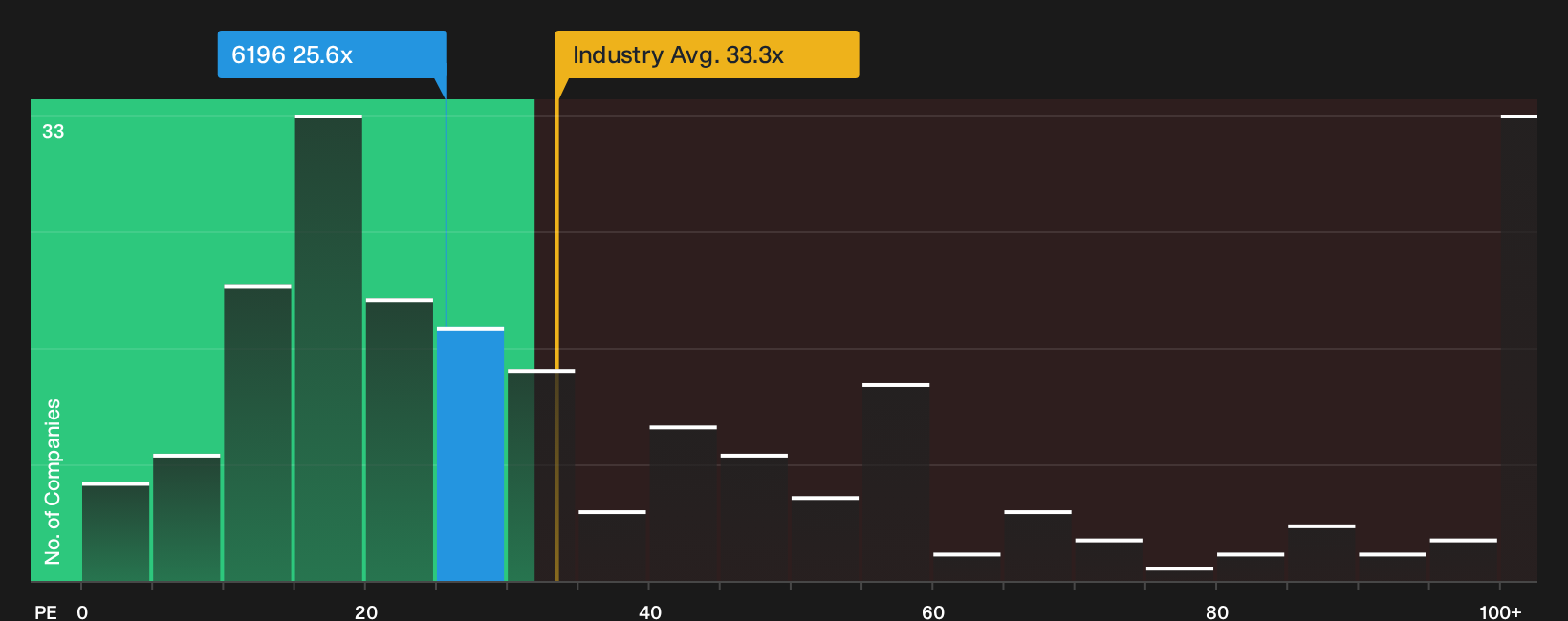
Marketech International operates within the U.S.–China semiconductor supply chain, with recent earnings strength, higher margins, and a price-to-earnings ratio below both peers and some fair value estimates. Any further easing in cross border trade rules could influence how investors attribute that profitability between tariff relief and potential shifts in future pricing pressure.
That split in how investors might be pricing Marketech International today is exactly why the 4 key rewards and 1 important warning sign could reveal what the headline margins are masking.
Seeking Fresh Alternatives Before They Fly
Momentum shifts quickly and the most interesting ideas rarely stay under the radar for long. Scan these fresh stock lists before the breakout momentum gets fully caught, then act now.
- Spot cash rich defenders and stress test your income plan against a curated list of solid balance sheet and fundamentals (201 results) that can handle more than just sunny markets.
- Ride early AI momentum across cash generative players using a hand picked set of 37 profitable AI stocks that aren't just burning cash before the crowd starts chasing the obvious tickers.
- Position ahead of potential rate and income shifts by reviewing a pre screened pool of 159 dividend fortresses while yields are still doing the heavy lifting.
This article by Simply Wall St is general in nature. We provide commentary based on historical data and analyst forecasts only using an unbiased methodology and our articles are not intended to be financial advice. It does not constitute a recommendation to buy or sell any stock, and does not take account of your objectives, or your financial situation. We aim to bring you long-term focused analysis driven by fundamental data. Note that our analysis may not factor in the latest price-sensitive company announcements or qualitative material. Simply Wall St has no position in any stocks mentioned.
Have feedback on this article? Concerned about the content? Get in touch with us directly. Alternatively, email editorial-team@simplywallst.com