


The Social Security COLA Trap: Why Your Buying Power Might Still Shrink
Key Points
Due to inflation, Social Security COLAs have lost 13.7% of their buying power over the past decade.
COLAs reflect higher prices and rarely allow for genuine gains in living standards.
The CPI-W, the index used to determine COLAs, underweights many of the expenses older Americans face.
While it's true that something is better than nothing, cost-of-living adjustments (COLAs) are almost always a mixed bag. For one thing, the 2027 COLA will be based on inflation data for the third quarter of 2026 (July, August, and September). By the time January rolls around and the latest COLA kicks in, that inflation rate may already be outdated.
For example, if average inflation in the third quarter is 3.5% but jumps to over 4% in December or January, COLAs have already missed the mark. By design, COLAs are intended to help Social Security recipients keep pace with inflation. That's difficult to do when they lag.
Missed Nvidia in 2009? This Rare Signal Is Flashing Again. In 2009, a "Double Down" signal flashed for a little-known chipmaker called Nvidia. For the first time in years, that same "Total Conviction" signal is flashing for a company 1/100th the size of Nvidia. Continue »
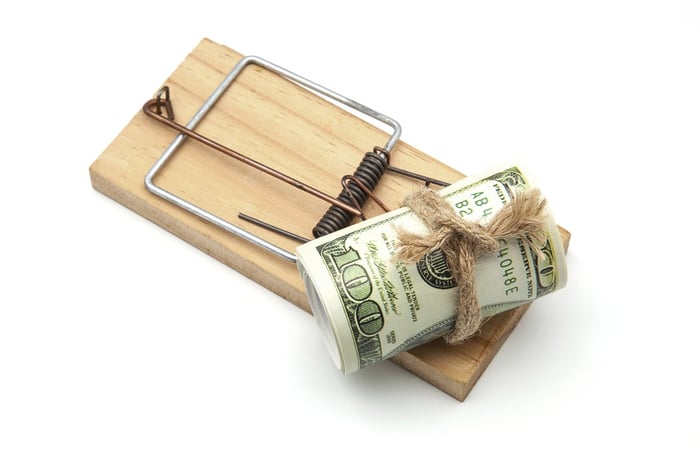
Image source: Getty Images.
Behind the times?
Another problem is the index used to determine COLAs. Currently, the Social Security Administration (SSA) bases next year's COLA on the Consumer Price Index for Urban Wage Earners and Clerical Workers (CPI-W). If you wonder what the average retiree's buying habits have in common with those of urban wage earners and clerical workers, you're not alone.
According to The Senior Citizens League (TSCL), basing COLAs on an inflation tracker focused on how working-age Americans spend ignores how older Americans spend. Instead, TSCL wants Congress to adopt legislation that would base COLAs on a seniors-specific index, such as the Consumer Price Index for the Elderly (CPI-E). That's because the CPI-E regularly measures inflation for seniors at two-tenths of a percentage point higher than CPI-W increases, and receiving COLAs based on CPI-E is more likely to match seniors' real-world experiences.
Hidden deductions
Before you even confront higher prices at the pump or grocery store, part of your COLA hike vanishes because automatic deductions take effect around the same time. For example, you can expect your Medicare premiums to rise each year. While premium increases may be modest, they're still taken directly from your Social Security checks.
It's possible that higher benefits may push you over a tax threshold that makes a greater portion of your Social Security taxable, or even into a situation where income-related monthly adjustment amount (IRMAA) surcharges apply.
Breaking the trap down
When you put it together, the real COLA trap looks like this:
- Your benefit increases by a percentage tied to past CPI-W inflation.
- Your real-world expenses, such as housing, healthcare, utilities, insurance, and in-home assistance, may rise faster than your COLA can keep up.
- Medicare and taxes take a cut of the COLA raise before you can spend it.
- On paper, your income could increase, but your real buying power may stay the same or even decline.
One strategy is to view COLAs as partial income maintenance rather than a true raise, and to base your monthly budget on income sources you can rely on.
The Motley Fool has a disclosure policy.