


US Bank Stocks Gaining From Higher Treasury Yields
Long-term U.S. Treasury yields have raced higher, pulling the 10-year above 5% and sending a clear message. Money now earns more just sitting in safer bonds. That shift is pressuring many growth stocks, but it is also quietly changing the math for certain U.S. banks and lenders. This article walks through three stocks exposed to this rate shock, explaining who might benefit, who could struggle, and what that mix means for your portfolio decisions.
The stocks covered next are just a starting sample, since the full screen on Simply Wall St surfaced 51 more U.S. banks and lenders with equally compelling interest rate stories that are not broken out individually here. To go beyond the short list and actively identify which balance sheets, funding mixes, and profit profiles fit your own thesis, head straight into the U.S. Banks and Lenders with Beneficial Exposure to Higher Long-Term Interest Rates screener
Investar Holding (ISTR)
Investar Holding is a regional commercial bank built around classic loans and deposits, a setup that often benefits when long-term rates stay higher for longer. The business generates about US$121 million from banking activities in the U.S., with a market value of roughly US$404 million.
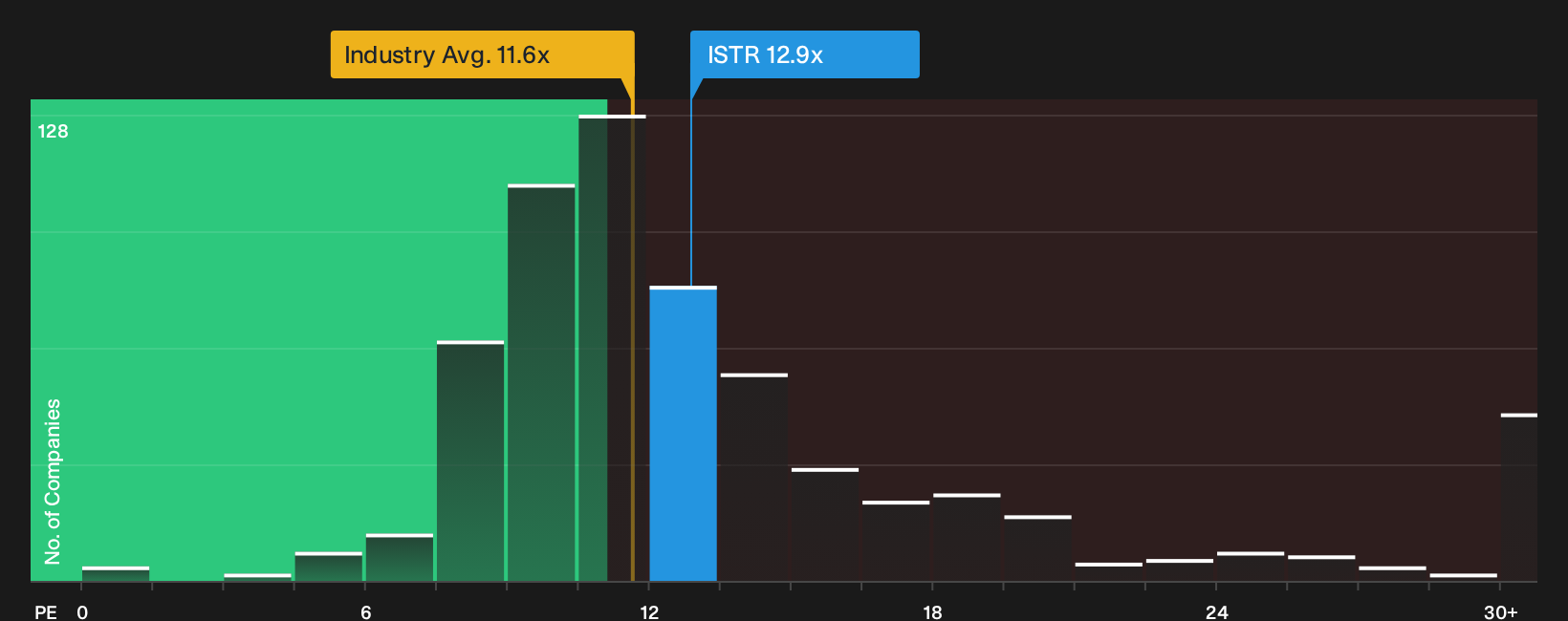
Investar Holding lives squarely in this screener’s sweet spot. It runs a traditional lending and deposit model, reports net interest income and net profit margins, and trades on a P/E that is slightly below close peers. The main opportunity rests on what happens if one quiet pressure on its funding costs shifts.
If that funding squeeze is what you are watching, go directly to the 4 key rewards and 1 important major warning sign to see how that pressure could be masking potential upside.
Bank First (BFC)
Bank First is a Wisconsin based community bank focused on traditional lending and deposit services that tie directly into the higher long term rate theme. It generates about US$217 million from banking operations in the U.S. and carries a market value near US$1.6b.
Bank First plugs into this higher yield story in a very direct way. The business earns its money from plain-vanilla loans and securities funded largely by local deposits, so a steeper long end of the Treasury curve can support wider net interest margins if its funding base holds steady. Investors watching that spread will care a lot about what happens when deposit pricing pressure meets that higher rate backdrop.
That tug of war starts to sharpen when you read the 3 key rewards and 1 important warning sign, which unpacks whether deposit costs are quietly capping Bank First’s upside.

NB Bancorp (NBBK)
NB Bancorp runs Needham Bank, a conventional lender in Greater Boston that fits the higher long-term yield theme through loan-driven earnings funded by local deposits. All of its US$249 million revenue comes from banking, and the stock carries a market value near US$914 million.
NB Bancorp ties long-dated yield strength directly into earnings, with loan-based income and deposit funding geared to wider net interest margins as higher-for-longer Treasuries reset pricing. Forecast double-digit revenue and earnings growth add rate-sensitive torque, although what happens when investors reassess how much to pay for that profile will matter a lot.
That repricing risk is exactly what sits under the analyst forecasts for NB Bancorp and could show whether NB Bancorp’s rate-driven momentum is accelerating or already priced in.

Seeking Fresh Alternatives Before They Fly
Markets move fast and fresh breakout stories rarely stay under the radar for long. Scan new momentum, spot what others miss, and consider your position ahead of the crowd.
- Identify early-stage momentum where balance sheets already look robust by scanning the curated list of solid balance sheet and fundamentals (24 results) before others start chasing later moves.
- Follow high-yield opportunities built around steadier cash generation through the hand-picked 7 dividend fortresses while yields remain elevated and prices have not fully reacted.
- Explore growth potential in overlooked miners by reviewing the focused 36 elite gold producer stocks so you are not reacting after the next sentiment swing.
This article by Simply Wall St is general in nature. We provide commentary based on historical data and analyst forecasts only using an unbiased methodology and our articles are not intended to be financial advice. It does not constitute a recommendation to buy or sell any stock, and does not take account of your objectives, or your financial situation. We aim to bring you long-term focused analysis driven by fundamental data. Note that our analysis may not factor in the latest price-sensitive company announcements or qualitative material. Simply Wall St has no position in any stocks mentioned.
Have feedback on this article? Concerned about the content? Get in touch with us directly. Alternatively, email editorial-team@simplywallst.com