


Delta Air Lines Stock And 2 Airlines That Could Gain From Lower Oil Prices
Oil prices just slipped about 1.7–1.8% as traders wager that Saudi crude shipments will recover, even while Middle East risks refuse to fade into the background. That mix of softer prices today and the threat of sharp spikes later can reshuffle winners and losers across fuel intensive sectors. This article unpacks how that backdrop ties into three stocks from our Global Oil Importing Sectors Sensitive to Lower Crude Prices screener that could be meaningfully exposed to this news.
The stocks highlighted below are just a sample from this theme. The full screen surfaced 55 more companies with equally compelling narratives that are not covered here. To go deeper into this idea, head straight into the Global Oil Importing Sectors Sensitive to Lower Crude Prices screener to filter, analyze, and identify the highest conviction plays for your watchlist.
Delta Air Lines (DAL)
Overview: Delta Air Lines runs a large global passenger and cargo network where jet fuel costs make it a direct play on cheaper crude.
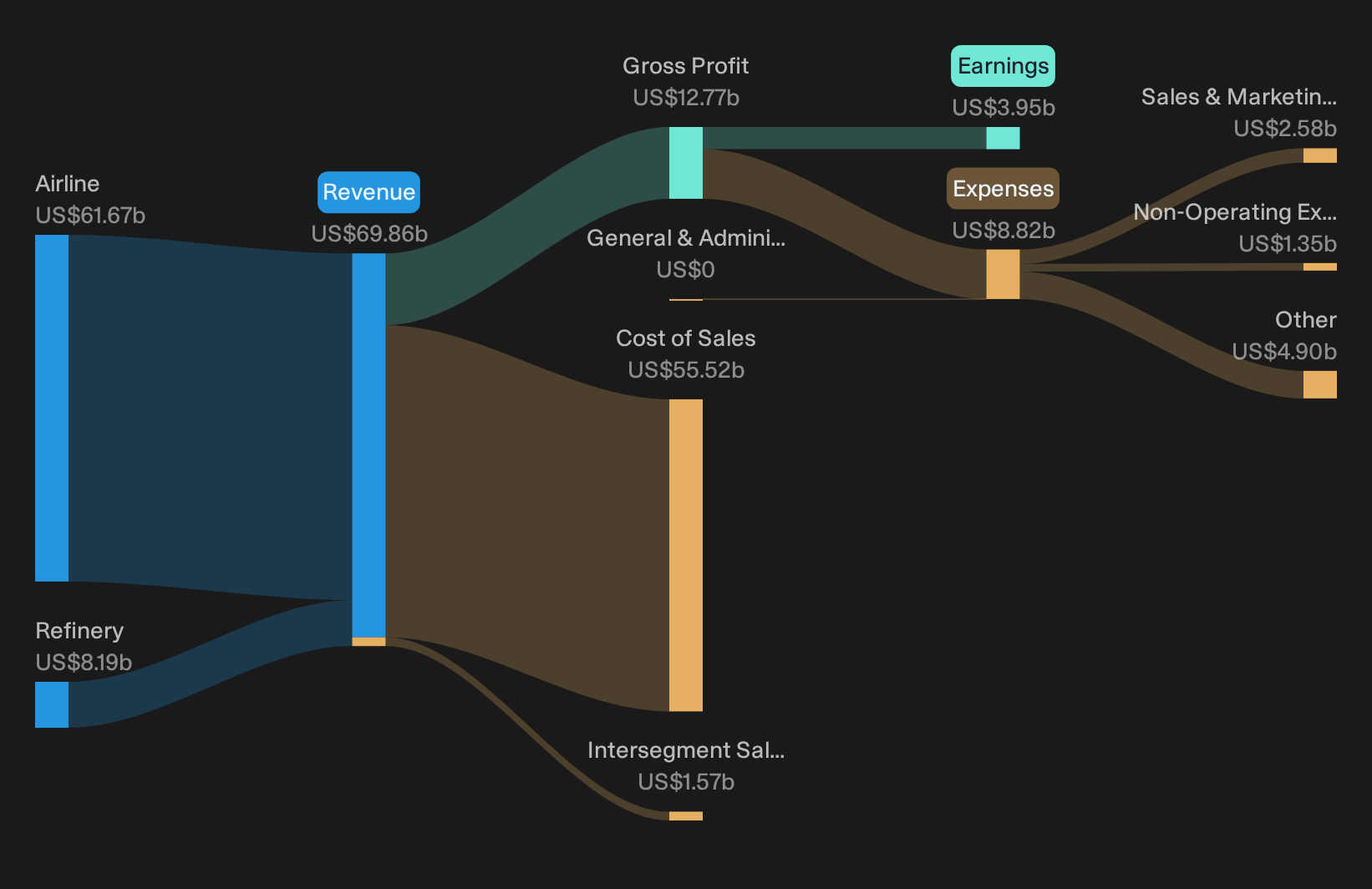
Operations: Delta generates about US$61.7b from its Airline segment and US$8.2b from its Refinery arm, with smaller intersegment adjustments.
Market Cap: US$52.1b
For this lower crude oil theme, Delta Air Lines matters because a fuel heavy business that keeps its network tight can see small shifts in oil and pricing translate quickly into cash generation.
"Delta Air Lines is focusing on protecting margins and free cash flow by maintaining flat capacity growth and aligning supply with demand, which is likely to positively impact net margins through cost management."
The real swing factor is how one still unresolved pressure on pricing power and demand ultimately feeds through to those margin goals.
If that pricing power question sits at the center of your thesis, the full narrative for Delta Air Lines shows how Delta Air Lines’ margin story could be accelerating or stalling.
easyJet (LSE:EZJ)
Overview: easyJet is a low cost European airline that flies passengers and holidaymakers across the region, where fuel is a major swing factor.
Operations: easyJet generates about £9b from its Airline segment and £2.1b from EasyJet Holidays, with a smaller intergroup reduction.
Market Cap: £5b
easyJet sits right in the crosshairs of this theme because a fuel hungry short haul model can feel even modest oil moves quickly in its cost base and ticket pricing.
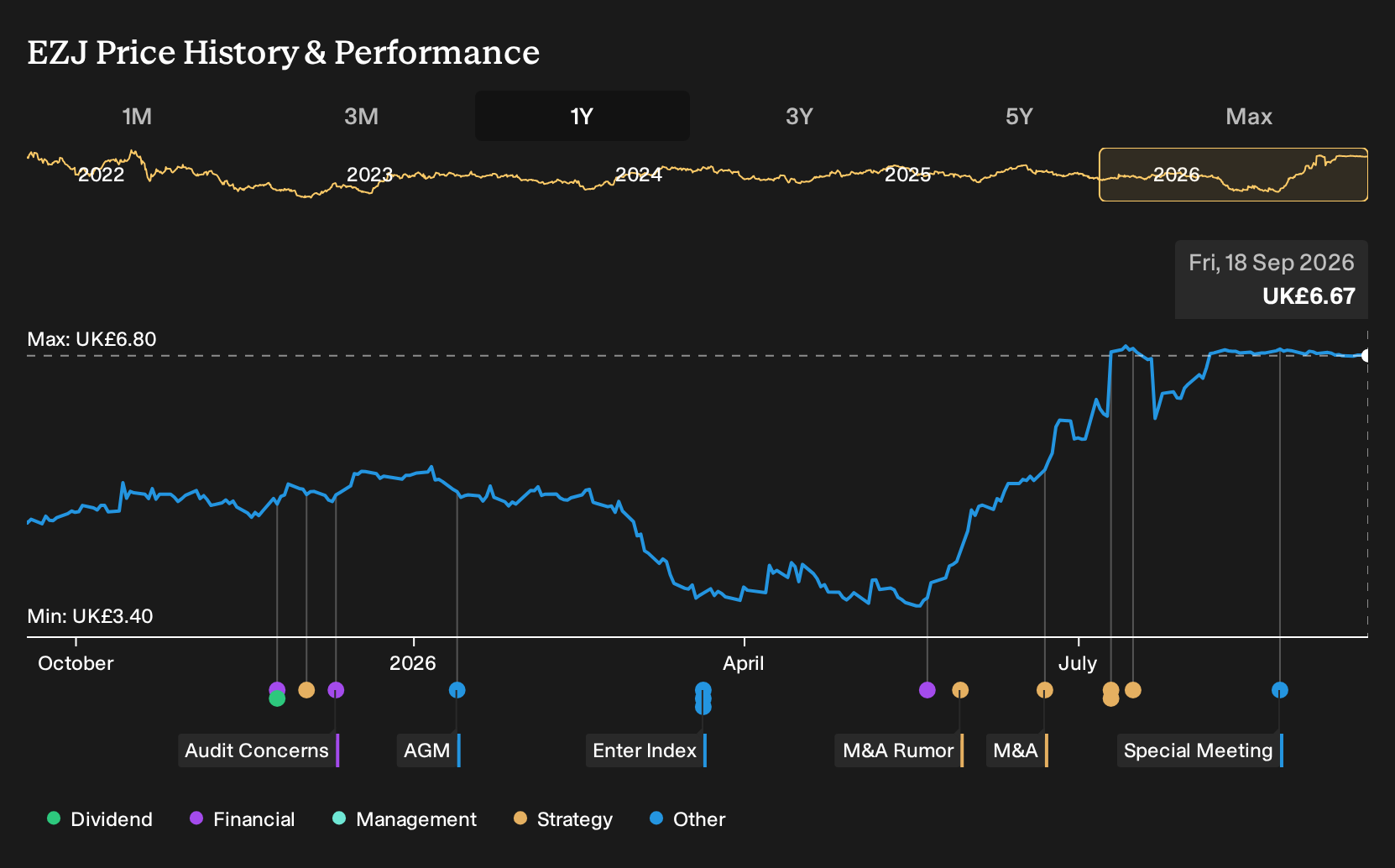
"Evidently, private equity behemoths Apollo and Castlelake thought so, too, with the two about to enter a bidding war that might finally see frustrated shareholders realise the real value of their holdings."
What really matters now is how one less visible pressure on future cash generation resolves as fuel costs and demand patterns shift.
That pressure point is exactly where the full narrative for easyJet tests whether fuel sensitivity and takeover interest are masking risk or setting easyJet up for an accelerating recovery story.
Southwest Airlines (LUV)
Overview: Southwest Airlines runs a largely U.S. focused passenger network where fuel costs and fare competitiveness are central to the investment story.
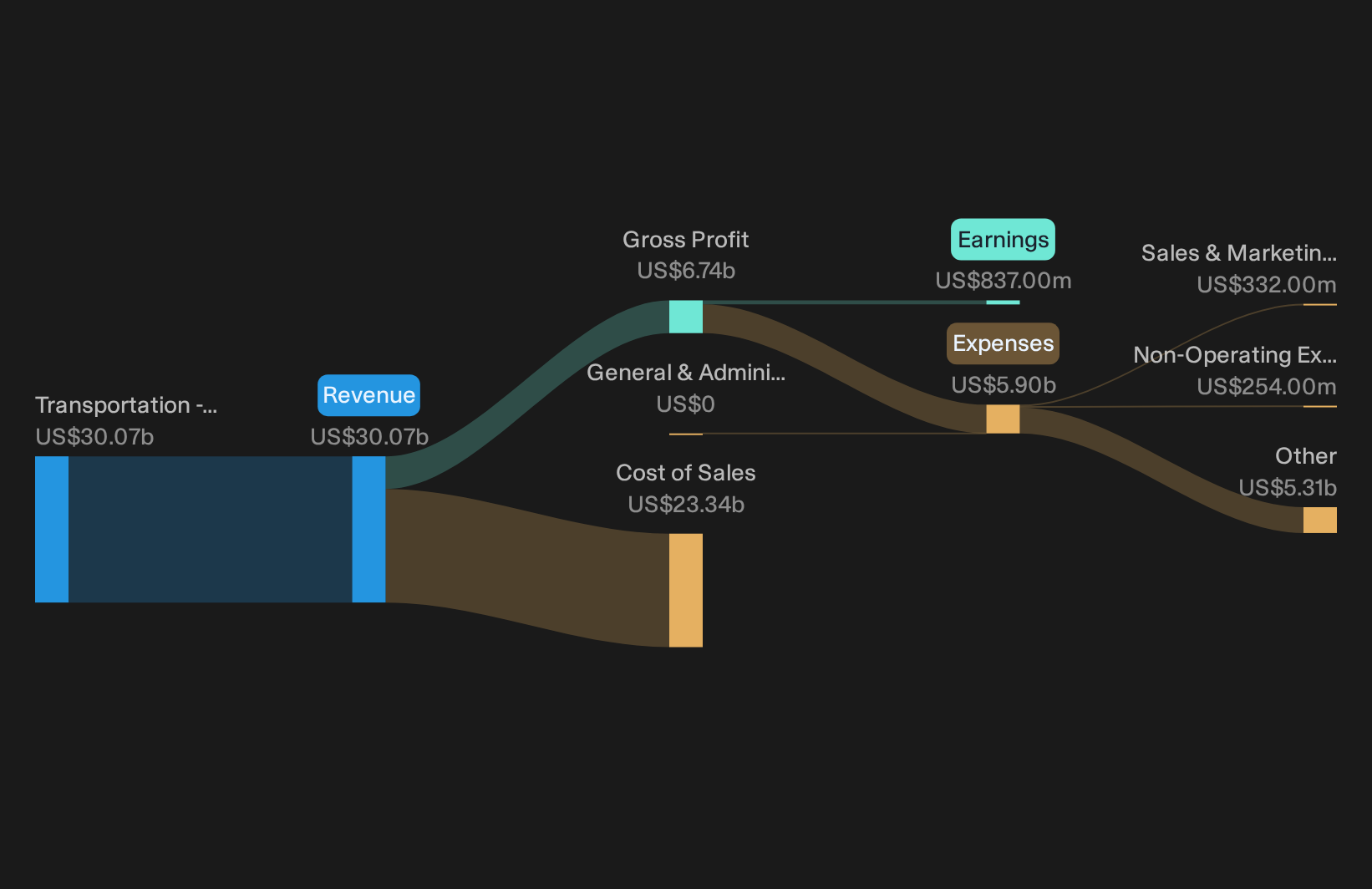
Operations: Southwest Airlines generates about US$30.1b in revenue from its Transportation - Airlines segment, reflecting a pure play commercial flying model.
Market Cap: US$20.0b
For this oil importing theme, Southwest Airlines is a pure fuel sensitive airline where even modest crude moves can quickly reshape cost per seat and pricing flexibility.
"Planned introduction of premium and assigned seating, along with basic economy offerings, can enhance revenue yield through differentiated pricing strategies catering to varied consumer preferences, thereby potentially boosting net margins and overall earnings."
The real swing factor is what happens to those margin ambitions if a single key assumption on future fuel pricing starts to fray.
If that assumption is what worries you, the full narrative for Southwest Airlines shows whether Southwest Airlines’ margin story is quietly accelerating or if fuel risk is still masking bigger upside.
Seeking Fresh Alternatives Before They Fly
Market stories move fast. Breakout momentum, dropping valuations, and fresh themes rarely stay under the radar for long. Check these curated stock ideas before the crowd catches on and consider taking action in line with your own objectives and risk tolerance.
- Target durable cash generators with strong balance sheets and let the list of solid balance sheet and fundamentals (23 results) surface businesses that may hold up when weaker peers start falling behind.
- Look at structural demand for smarter factories by using the 95 robotics and automation stocks to help identify automation leaders before that momentum fully shows up on everyone’s screens.
- Review potential infrastructure upgrades by scanning the 39 power grid technology and infrastructure stocks for companies that could benefit from grid investment while they are still priced as afterthoughts.
This article by Simply Wall St is general in nature. We provide commentary based on historical data and analyst forecasts only using an unbiased methodology and our articles are not intended to be financial advice. It does not constitute a recommendation to buy or sell any stock, and does not take account of your objectives, or your financial situation. We aim to bring you long-term focused analysis driven by fundamental data. Note that our analysis may not factor in the latest price-sensitive company announcements or qualitative material. Simply Wall St has no position in any stocks mentioned.
Have feedback on this article? Concerned about the content? Get in touch with us directly. Alternatively, email editorial-team@simplywallst.com