


Several Neurogene Insiders Sell Shares Sending Potential Negative Signal
Quite a few Neurogene Inc. (NASDAQ:NGNE) insiders sold their shares over the past year, which may be a cause for concern. When analyzing insider transactions, it is usually more valuable to know whether insiders are buying versus knowing if they are selling, as the latter sends an ambiguous message. However, when multiple insiders sell stock over a specific duration, shareholders should take notice as that could possibly be a red flag.
While insider transactions are not the most important thing when it comes to long-term investing, logic dictates you should pay some attention to whether insiders are buying or selling shares.
Neurogene Insider Transactions Over The Last Year
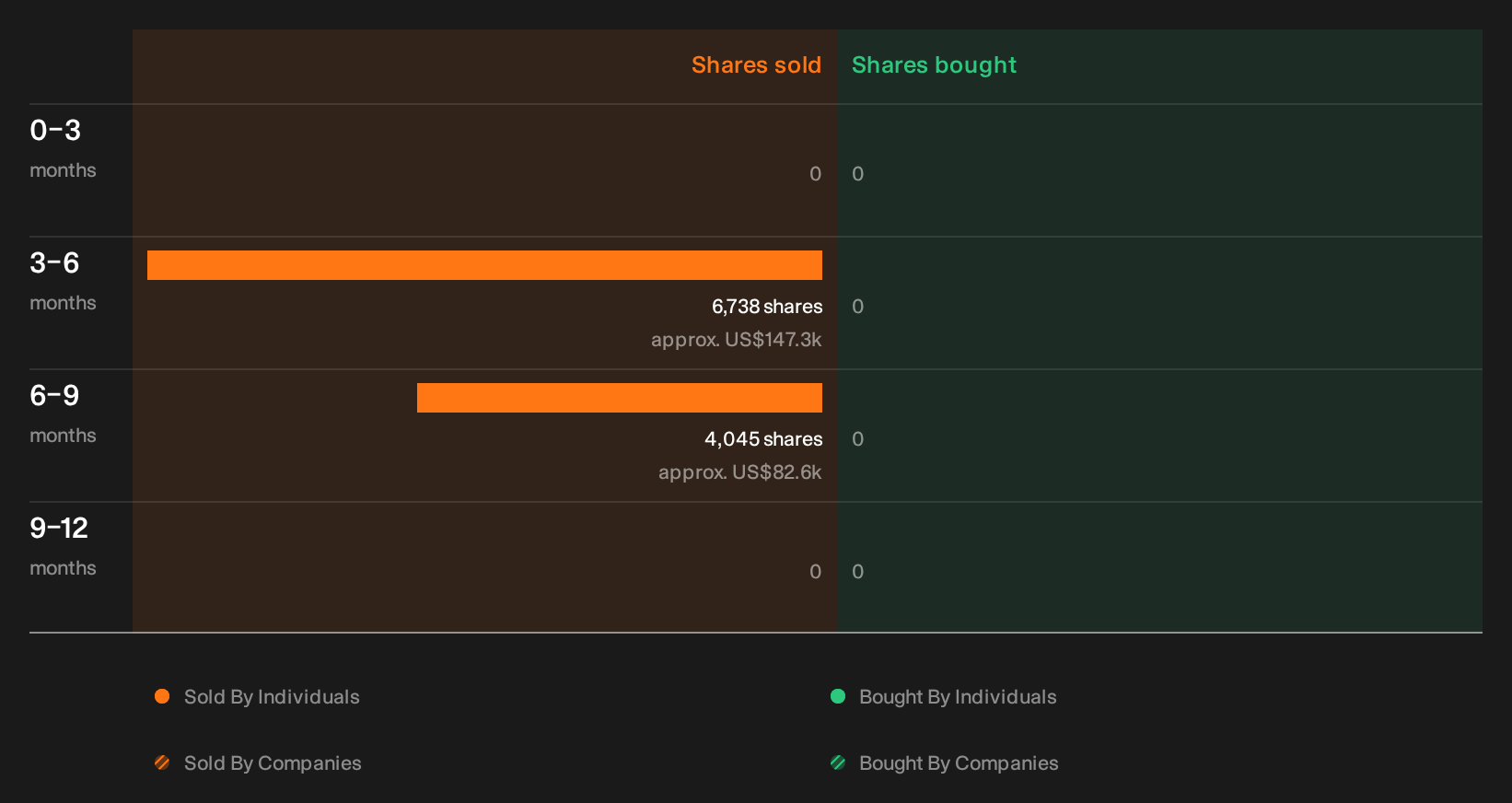
Over the last year, we can see that the biggest insider sale was by the President, Christine Cvijic, for US$84k worth of shares, at about US$22.02 per share. That means that even when the share price was below the current price of US$32.09, an insider wanted to cash in some shares. As a general rule we consider it to be discouraging when insiders are selling below the current price, because it suggests they were happy with a lower valuation. While insider selling is not a positive sign, we can't be sure if it does mean insiders think the shares are fully valued, so it's only a weak sign. This single sale was just 7.1% of Christine Cvijic's stake.
In the last year Neurogene insiders didn't buy any company stock. You can see a visual depiction of insider transactions (by companies and individuals) over the last 12 months, below. If you want to know exactly who sold, for how much, and when, simply click on the graph below!
View our latest analysis for Neurogene
If you are like me, then you will not want to miss this free list of small cap stocks that are not only being bought by insiders but also have attractive valuations.
Insider Ownership
Another way to test the alignment between the leaders of a company and other shareholders is to look at how many shares they own. Usually, the higher the insider ownership, the more likely it is that insiders will be incentivised to build the company for the long term. Neurogene insiders own about US$45m worth of shares. That equates to 6.9% of the company. We've certainly seen higher levels of insider ownership elsewhere, but these holdings are enough to suggest alignment between insiders and the other shareholders.
So What Does This Data Suggest About Neurogene Insiders?
It doesn't really mean much that no insider has traded Neurogene shares in the last quarter. We don't take much encouragement from the transactions by Neurogene insiders. The modest level of insider ownership is, at least, some comfort. While it's good to be aware of what's going on with the insider's ownership and transactions, we make sure to also consider what risks are facing a stock before making any investment decision. Every company has risks, and we've spotted 3 warning signs for Neurogene (of which 2 make us uncomfortable!) you should know about.
Of course Neurogene may not be the best stock to buy. So you may wish to see this free collection of high quality companies.
For the purposes of this article, insiders are those individuals who report their transactions to the relevant regulatory body. We currently account for open market transactions and private dispositions of direct interests only, but not derivative transactions or indirect interests.
Have feedback on this article? Concerned about the content? Get in touch with us directly. Alternatively, email editorial-team (at) simplywallst.com.
This article by Simply Wall St is general in nature. We provide commentary based on historical data and analyst forecasts only using an unbiased methodology and our articles are not intended to be financial advice. It does not constitute a recommendation to buy or sell any stock, and does not take account of your objectives, or your financial situation. We aim to bring you long-term focused analysis driven by fundamental data. Note that our analysis may not factor in the latest price-sensitive company announcements or qualitative material. Simply Wall St has no position in any stocks mentioned.