


Microsoft (MSFT) Stock Looks Fairly Valued Despite Fresh AI Reporting Changes
Microsoft is back under the microscope as investors weigh a five year surge in returns and a flood of AI related headlines against a simple question: Is the current share price really lined up with the cash the business is expected to generate over time?
- Over the past 5 years, Microsoft has delivered a 73.5% total return, which puts real pressure on the company’s cash flows to keep justifying that kind of long haul performance.
- Recent AI and cloud moves, including heavier data center investment and a revamp of financial reporting around Azure and AI, can reshape the timing and scale of future cash generation as capital spending and profitability adjust.
- If you'd rather focus on earnings, this one's for you. See why Microsoft's 27.6x P/E tells a different valuation story.
The issue now is whether Microsoft’s current price fairly reflects the intrinsic value suggested by its cash flows.
If you want a comparison point for Microsoft’s AI and data center story, it can help to see how other businesses exposed to similar themes are priced and funded through the 59 AI infrastructure stocks.
Does Microsoft Look Fairly Valued on Cash Flow?
The Discounted Cash Flow (DCF) model here looks at the cash Microsoft can return to shareholders over time and then discounts it back to today. On the latest twelve month view, the group generated roughly $96.0b of free cash flow, which is a hefty base for any valuation model. The projections assume that this cash generation keeps growing rather than shrinking, with sizeable increases pencilled in by the early 2030s. As a result, the profile looks more like that of a mature compounder than a turnaround story.
Those higher future cash figures still leave the DCF output broadly aligned with the current share price of $497.12, so the market is already paying up for that growth path. The recent restructuring of Microsoft’s reporting to spotlight Azure and AI helps explain why investors seem comfortable valuing the stock in line with what these cash flow forecasts suggest, even as spending on data centers and AI infrastructure stays elevated. Find out what Microsoft could be worth using our Discounted Cash Flow (DCF) estimate.
The Microsoft Narrative: What Would Justify Today's Price?
Microsoft Narratives on Simply Wall St pick up where the cash flow puzzle leaves off and explain which combinations of growth, profitability and earnings paths would need to occur for the stock to be worth materially more or materially less than today’s price on the Community page. Each scenario links its number to a clear view on how Microsoft’s growth, margins and key risks might evolve, providing a reference point you can revisit as new information becomes available.
Community views on Microsoft are split between those who see AI and cloud spending as a springboard and those who see it as a valuation ceiling.
Bull case: 13% undervalued
"The entrenched subscription-based revenue model across Microsoft 365, Dynamics, and Xbox Game Pass, combined with strong contracted backlog and steady ARPU growth, enhances future earnings visibility and predictability…"
Discover why this Narrative puts Microsoft at 13% undervalued.
Bear case: 25% overvalued
"Free cash flow fell, in the same twelve months that operating profit went up $26.7 billion, and capital spending has stopped behaving like software…"
Explore why this Narrative puts Microsoft at 25% overvalued.
The Microsoft share price is only one piece of your investment decision
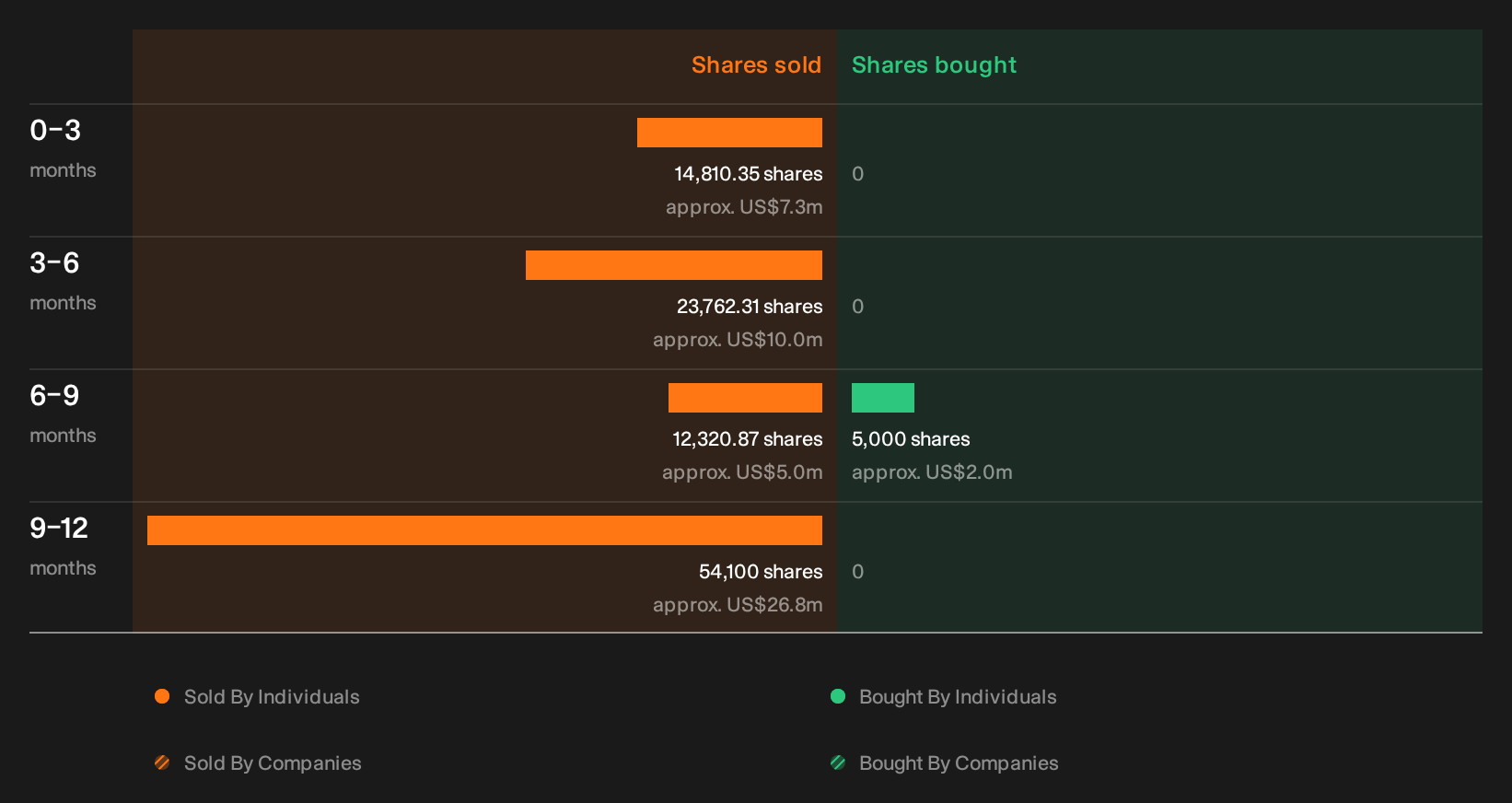
Before deciding how Microsoft fits into your portfolio, it can be worth checking which insiders have recently been selling stock, how much they have sold and what that activity might signal for you. See the recent insider selling flagged for Microsoft.
This article by Simply Wall St is general in nature. We provide commentary based on historical data and analyst forecasts only using an unbiased methodology and our articles are not intended to be financial advice. It does not constitute a recommendation to buy or sell any stock, and does not take account of your objectives, or your financial situation. We aim to bring you long-term focused analysis driven by fundamental data. Note that our analysis may not factor in the latest price-sensitive company announcements or qualitative material. Simply Wall St has no position in any stocks mentioned.
Have feedback on this article? Concerned about the content? Get in touch with us directly. Alternatively, email editorial-team@simplywallst.com