


Vertiv Stock And 2 AI Data Center Picks Backed by Power and Cooling Demand
AI is chewing through capital at a pace few sectors have ever seen, with OpenAI’s potential $1.2tn valuation and $40bn revenue run rate putting fresh focus on the pipes and power behind the hype. Investors are not just chasing model developers; they are hunting for picks and shovels around them. This article walks through 3 stocks exposed to that story and how the same news can cut differently for each one.
The three stocks below are only a sample of the idea, with the full screen surfacing 59 more companies that also tie into the AI infrastructure story and are not covered here. To go straight to the broader set and analyze, compare, and identify your highest conviction targets, head into the AI Data Centre and Power Infrastructure Providers screener.
Shenzhen Envicool Technology (SZSE:002837)
Shenzhen Envicool Technology focuses on temperature control and energy saving, with cooling systems used in data centres and other power hungry infrastructure. It generated about CN¥6.5b from precision temperature control and energy saving equipment, and has a market cap near CN¥76.4b.
Shenzhen Envicool Technology is closely linked to the AI data centre theme, providing cooling and energy saving equipment for high density facilities that run large models. Investors watching AI infrastructure may find the premium valuation and funding structure worth tracking, particularly if any change in external pressures affects how future projects are priced.
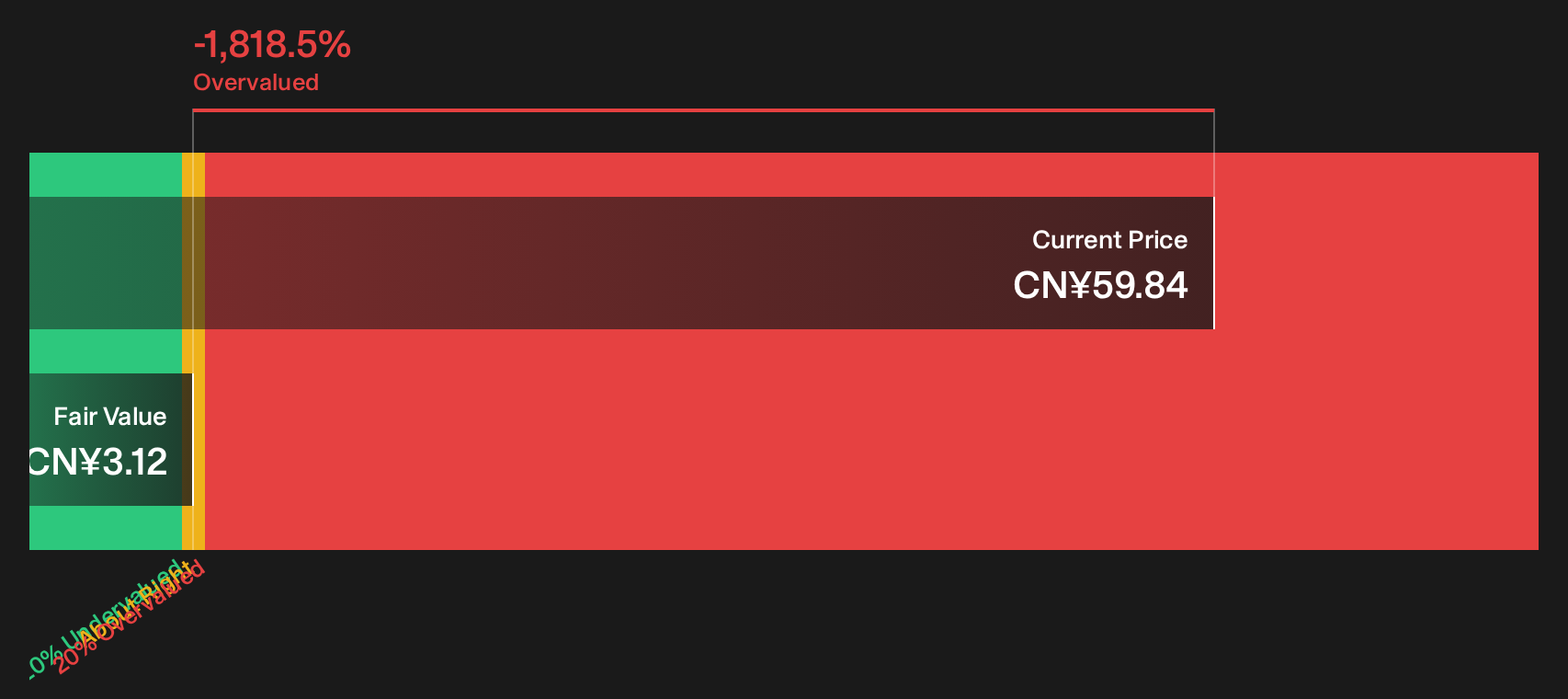
If that premium keeps nagging at you, pull up the DCF valuation analysis for Shenzhen Envicool Technology and see how much of the AI data centre story is already priced in.
Delta Electronics (Thailand) (SET:DELTA)
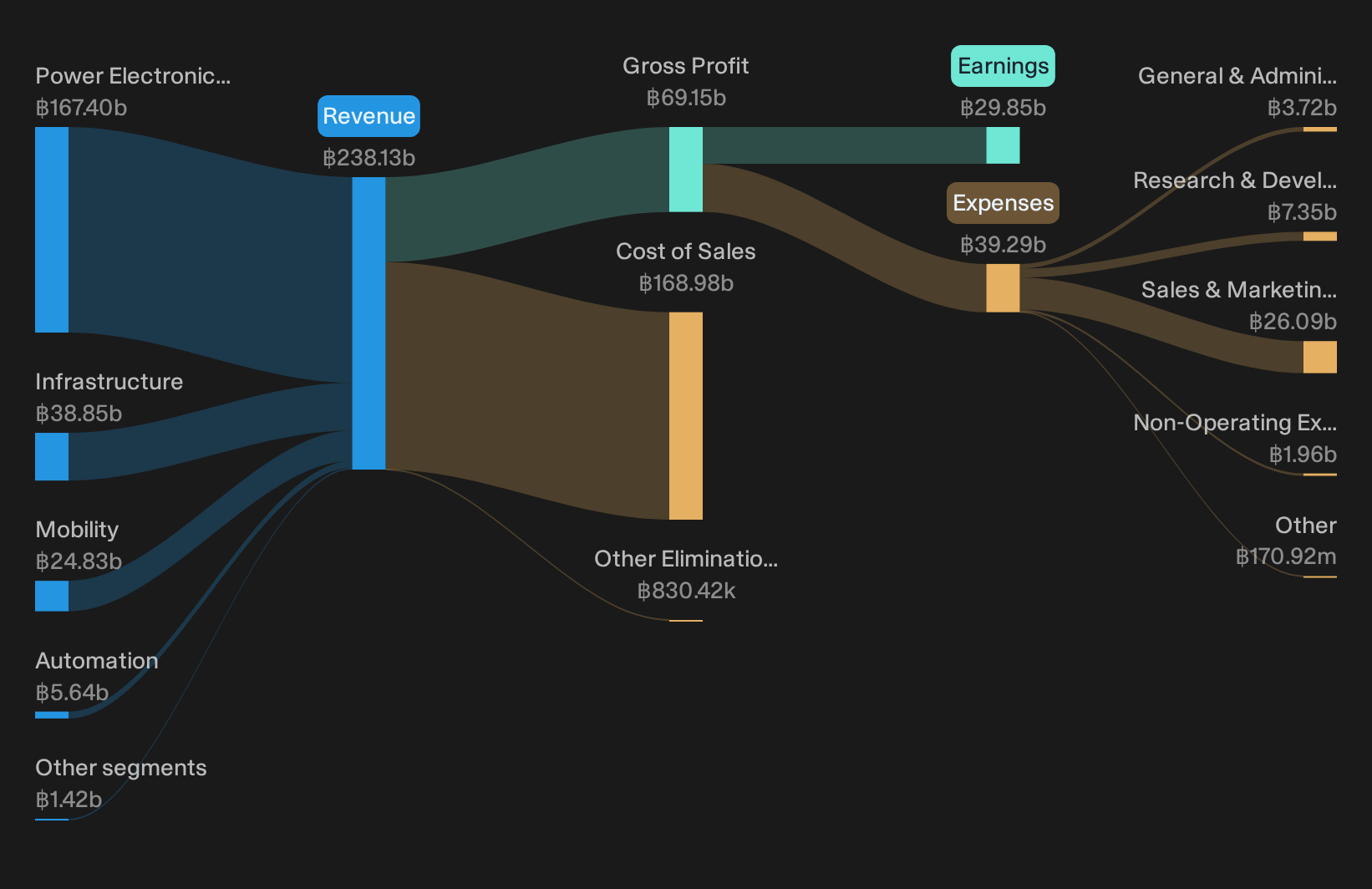
Delta Electronics (Thailand) plugs directly into the AI data centre theme through its power supplies and infrastructure gear, while still being a broad electronics group. It generated about THB167.4b from Power Electronics, THB38.9b from Infrastructure and has a market value near THB2,906.4b.
For investors tracking the build out of AI power and cooling capacity, Delta Electronics (Thailand) offers a way to gain exposure to that demand through physical equipment, not just software headlines. This raises an important question about how durable those end markets really are.
"AI and data center hardware demand is concentrating on a relatively narrow set of large customers, so any future slowdown, insourcing or technology shift in these projects could leave Delta Electronics (Thailand) with excess capacity and weaker pricing power, which would pressure revenue growth and earnings."
What happens to Delta Electronics (Thailand)'s profitability profile if one unseen pressure on future pricing quietly shifts direction?
That quiet shift could reshape the whole setup for Delta Electronics (Thailand), so read the full narrative for Delta Electronics (Thailand) to see how risk, capacity and AI demand are really interacting.
Vertiv Holdings Co (VRT)
Vertiv Holdings Co is deeply wired into the AI data centre build out, supplying the power, cooling and racks that keep high density facilities running. The group generated about US$7.5b in the Americas, US$2.7b in Asia Pacific and US$2.4b in EMEA, with a market value near US$91.4b.
Vertiv Holdings Co sits right where AI hype meets hard infrastructure, supplying the power and liquid cooling gear hyperscalers need before a single model can run at scale.
"The liquid cooling market is already growing at roughly 20–30% annually as hyperscalers like Microsoft, Google, and Amazon race to build AI infrastructure. Vertiv's Q4 2025 organic orders surged 252% year-over-year, and its $15 billion backlog is equivalent to roughly 1.5 years of trailing revenue."
What happens to Vertiv Holdings Co's earnings power if just one large buyer quietly changes its build out tempo or shifts technology preferences?
That kind of buyer risk cuts both ways, so read the full narrative for Vertiv Holdings Co to see how Vertiv Holdings Co could still accelerate if demand timing shifts in its favour.

Seeking Fresh Alternatives Before They Fly
Some of the best breakout stories start quietly, then move fast once momentum hits the tape. Before these ideas stop looking under the radar for now, act now.
- Spot potential turnarounds early by scanning a curated 194 high quality undervalued stocks while pricing still reflects yesterday’s expectations and not tomorrow’s momentum.
- Ride powerful income trends by zeroing in on a focused 161 dividend fortresses before yields get compressed by investors chasing the same cash flows.
- Front run the next leg of industrial demand by reviewing a hand picked 29 top copper producer stocks before supply constraints and sentiment shifts get fully priced in.
This article by Simply Wall St is general in nature. We provide commentary based on historical data and analyst forecasts only using an unbiased methodology and our articles are not intended to be financial advice. It does not constitute a recommendation to buy or sell any stock, and does not take account of your objectives, or your financial situation. We aim to bring you long-term focused analysis driven by fundamental data. Note that our analysis may not factor in the latest price-sensitive company announcements or qualitative material. Simply Wall St has no position in any stocks mentioned.
Have feedback on this article? Concerned about the content? Get in touch with us directly. Alternatively, email editorial-team@simplywallst.com