


3 U.S. Energy Stocks Built For Higher Oil And Fuel Prices
Inflation is back in the spotlight, with CPI, PPI, oil above $100/bbl and diesel over $6 a gallon all pushing the cost of doing business higher. That kind of squeeze often separates companies that can pass on pricing from those that cannot. If you care about how higher fuel and rate worries ripple through your portfolio, this is your moment. This article walks through 3 U.S. energy stocks tied to this inflation shock, outlining how they could potentially benefit, where the pressure points sit, and what that might mean for your next investing move.
The stocks in the spotlight below are only a sample, with the full investing screen surfacing 11 more U.S. energy companies that carry similarly compelling inflation-linked stories. To identify which oil and fuel beneficiaries best fit your own risk and return preferences, head straight into the U.S. Energy Sector Beneficiaries of Higher Oil and Fuel Prices screener.
Natural Gas Services Group (NGS)
Natural Gas Services Group is squarely linked to higher oil and fuel prices through the plumbing of the U.S. energy system, supplying compression equipment that keeps gas volumes flowing when producers lean into stronger commodity economics.
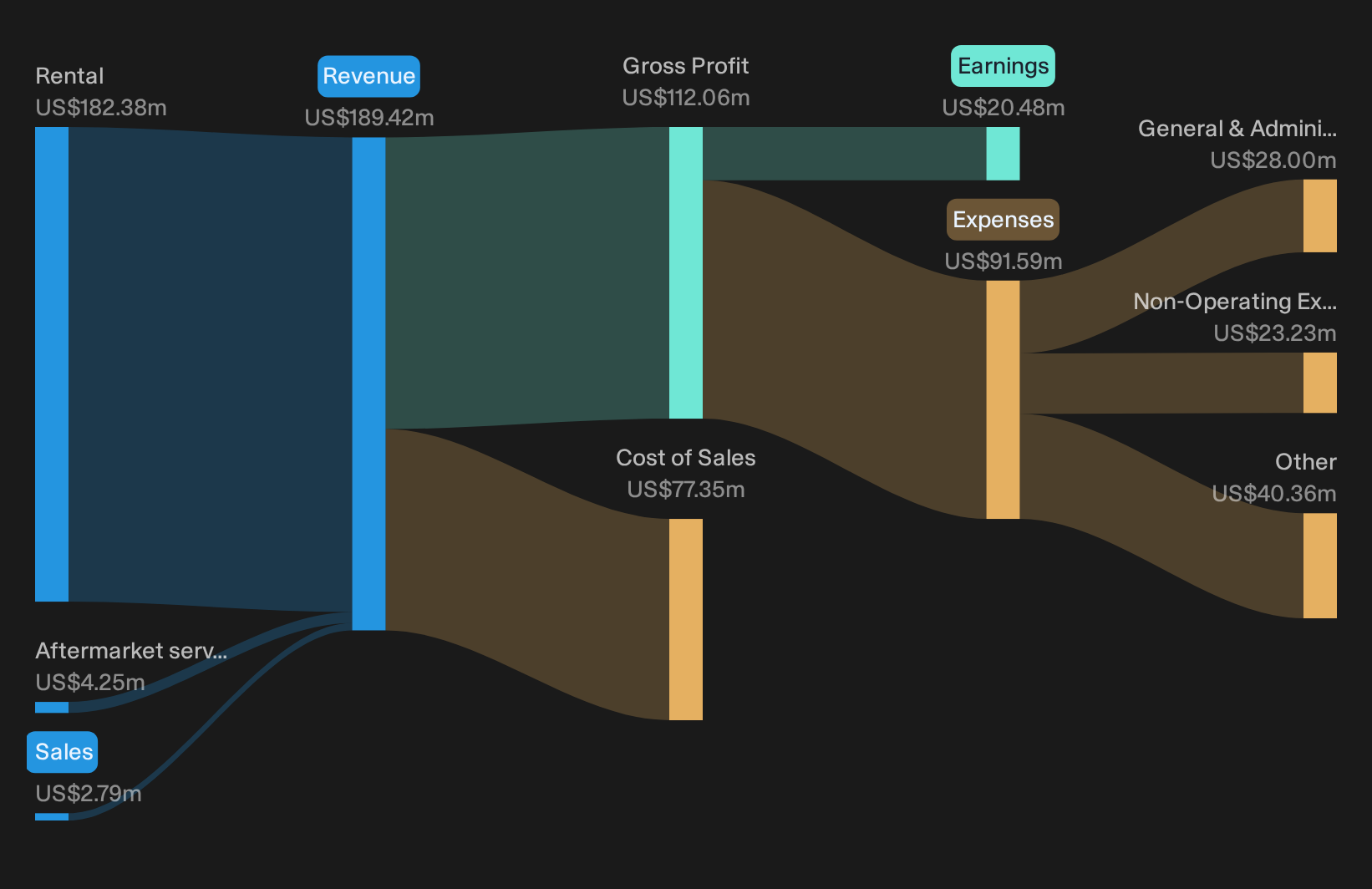
Natural Gas Services Group generates most of its revenue from rental compression equipment at about $182 million, with smaller contributions from aftermarket services of roughly $4 million and sales of around $3 million, and the stock carries a market value near $488 million.
While aftermarket services and high utilization of the large horsepower fleet support recurring revenue and healthy gross margins, persistent labor shortages and input cost inflation, especially in the Permian Basin, may erode operating efficiencies, resulting in increased maintenance costs that could weigh on net earnings over time.
What happens to Natural Gas Services Group’s appeal hinges on how one unseen cost pressure interacts with that compression heavy, oil price linked opportunity.
That hidden pressure point is exactly where the full narrative for Natural Gas Services Group pulls the story together, showing how inflation risk could be masking an accelerating rental opportunity.
Cactus (WHD)
Cactus is closely linked to the U.S. Energy Sector Beneficiaries of Higher Oil and Fuel Prices theme because its pressure control gear and spoolable pipe are tied directly to drilling and production activity when crude remains expensive.
With a market value of about US$5.6b, Cactus earns roughly US$991 million from Pressure Control and about US$375 million from Spoolable Technologies, giving it a sizeable footprint in equipment and pipe that serve onshore oil and gas activity.
The acquisition of a majority interest in Baker Hughes' Surface Pressure Control business is expected to significantly expand Cactus' geographic footprint and customer base into the Middle East. This region is described by the company as an area targeted for long-term energy infrastructure investment and supply security, which the company characterizes as supportive of sustained revenue growth and higher earnings resiliency.
The key issue ahead is how a gradual shift in pricing power and cost pressure affects the durability of that earnings profile.
That pricing question is exactly where the full narrative for Cactus pulls the story forward, revealing how Cactus balances accelerating opportunity with the real risk of cost pressure.

RPC (RES)
RPC plugs directly into the higher-oil-price story, providing pressure pumping, cementing and rental tools that support U.S. drilling and well work when producers keep wells turning. Technical Services generate about $1.7b of its roughly $1.8b revenue, with Support Services adding around $89 million and the stock valued near $1.4b.
RPC’s heavy exposure to U.S. exploration and production activity means higher oil and diesel prices can translate into stronger demand for its well completion and maintenance work. This puts pricing power and cost control front and center for anyone using this screener.
Early investment in state-of-the-art, emissions-reducing equipment and advanced digitalization enables RPC to command premium pricing and achieve a structurally higher EBITDA margin than current projections.
What happens to that margin potential if one key driver of customer activity turns faster than current expectations assume?
If that inflection point matters to you, the full narrative for RPC shows where pricing power could be accelerating, stalling, or quietly decoupling from RPC's current margin story.

Seeking Fresh Alternatives Before They Fly
Markets move fast and fresh ideas do not stay under the radar for long. Catch potential breakout momentum before the crowd, while it matters, and get in early.
- Spot resilient cash generators and filter for balance sheet strength with the curated list of solid balance sheet and fundamentals (23 results) before investors chasing safety bid them up.
- Ride structural demand for critical metals by scanning the hand picked 29 top copper producer stocks before renewed interest sends the strongest producers flying.
- Target dependable income and track high yield opportunities through the curated 6 dividend fortresses while payouts and entry prices still look appealing.
This article by Simply Wall St is general in nature. We provide commentary based on historical data and analyst forecasts only using an unbiased methodology and our articles are not intended to be financial advice. It does not constitute a recommendation to buy or sell any stock, and does not take account of your objectives, or your financial situation. We aim to bring you long-term focused analysis driven by fundamental data. Note that our analysis may not factor in the latest price-sensitive company announcements or qualitative material. Simply Wall St has no position in any stocks mentioned.
Have feedback on this article? Concerned about the content? Get in touch with us directly. Alternatively, email editorial-team@simplywallst.com