


Record Orders, Soft Revenue: What Super Micro Isn’t Saying About Its $60 Billion Quarter
AI infrastructure spending has turned server makers into some of the market's most-watched stocks, and the winners have been easy to spot: whoever can turn AI hype into hard backlog dollars gets rewarded. Dell Technologies (DELL) closed its fiscal 2026 with a disclosed $43 billion AI backlog and followed it up with $51.3 billion three months later. That's the standard investors should hold every AI infrastructure stock to.
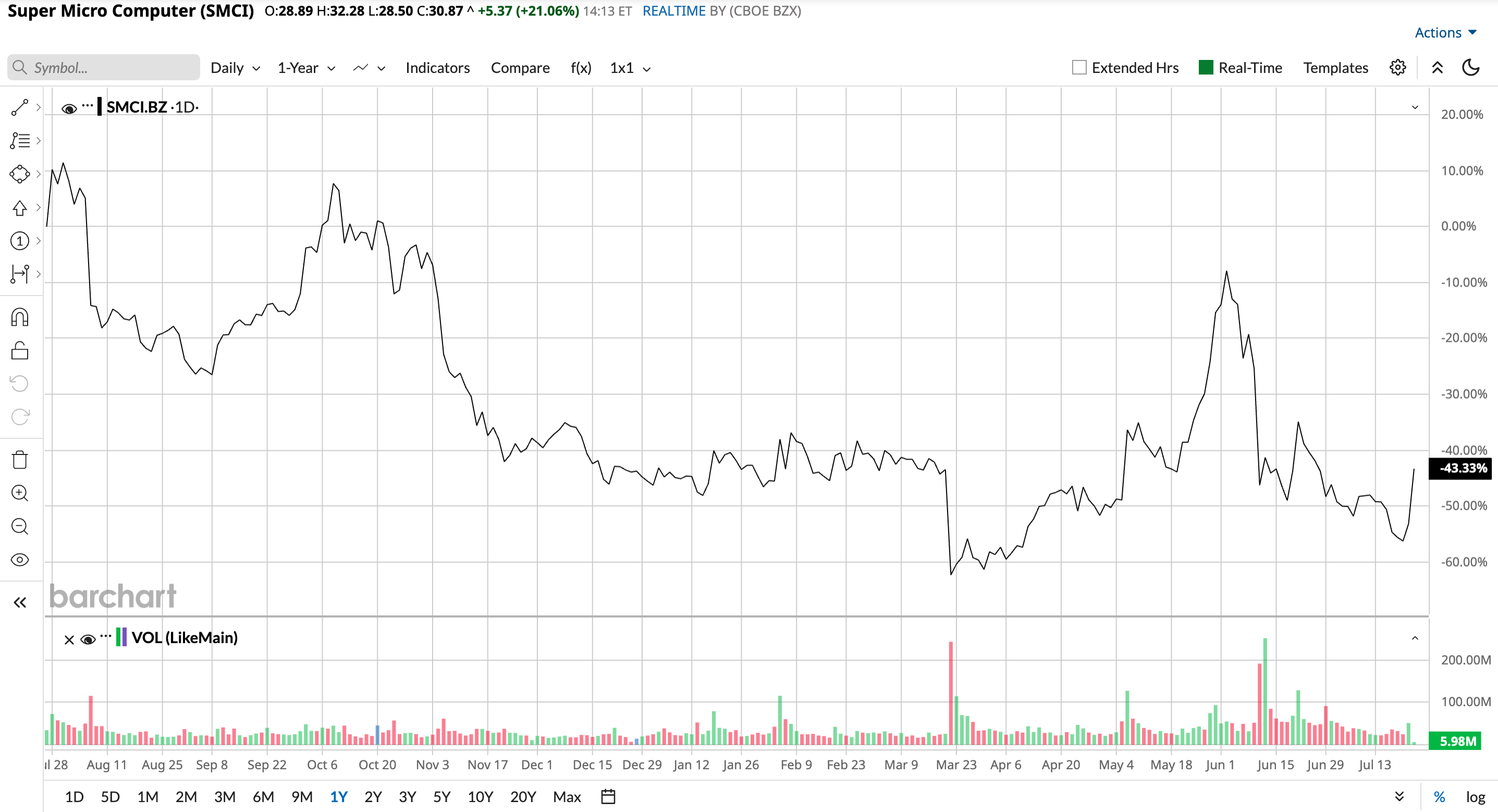
Yesterday, though, Super Micro Computer (SMCI) tried to clear that bar with a preliminary update of its own. And the stock was up 13% in premarket trading today. But do the numbers actually earn that reaction?
The Numbers Behind the Headline
Super Micro's preliminary Q4 fiscal 2026 update delivered three data points:
- Revenue is estimated near the low end of its $11 billion to $12.5 billion guidance range.
- GAAP and non-GAAP gross margin is estimated at 15% to 17%, nearly double the 8.2% to 8.4% the company had guided.
- New orders exceeded $60 billion in the quarter, pushing backlog to a record.
Granted, a margin beat of that size is rare. Super Micro attributed it to "a favorable customer and product mix" without naming which customers or products. That's a thin explanation for a swing of roughly 700 to 900 basis points above guidance, and thin explanations are where smart investors should slow down, not speed up.
A Backlog You Can't See
Here's the gap that matters most. Dell discloses its actual AI backlog dollar figure every quarter - $43 billion exiting fiscal 2026, $51.3 billion exiting the first quarter of fiscal 2027. But Super Micro does the opposite. Last quarter it called backlog "record" without a number, and CFO David Weigand specifically said SMCI doesn't "give out our backlog number. So we just make general comments about the fact that it's very strong." This quarter, it quantified the $60 billion inflow while still withholding the backlog balance. Investors get the flow, not the running total.
That's important. Book-to-bill matters (but SMCI doesn't disclose that either). But it's also not the full picture Dell provides its shareholders every ninety days (its book-to-bill ratio is a solid 1.5 times.
Also, the forward-looking disclaimer buried at the end of Super Micro's release adds a second wrinkle. The company acknowledges some of that $60 billion "may not constitute firm commitments and may be subject to cancellation or delays." Dell's backlog figures carry the same general execution risk any backlog does, but Super Micro is the one flagging non-firm orders in its own fine print.
The Scandal Still in the Rearview Mirror
Super Micro shareholders don't need reminding that this company has a credibility deficit to overcome. Ernst & Young resigned as auditor in October 2024 after a short-seller report alleged accounting irregularities, triggering a delayed 10-K and a stock collapse from a March 2024 high of $118.81 to the $20s. It is also dealing with the scandal surrounding its company founder and two others shipping restricted Nvidia (NVDA) chips to China.
In any case, a pattern of preliminary, unaudited updates preceding full results (this is the second straight quarter) are worth watching rather than dismissing.
Key Takeaway
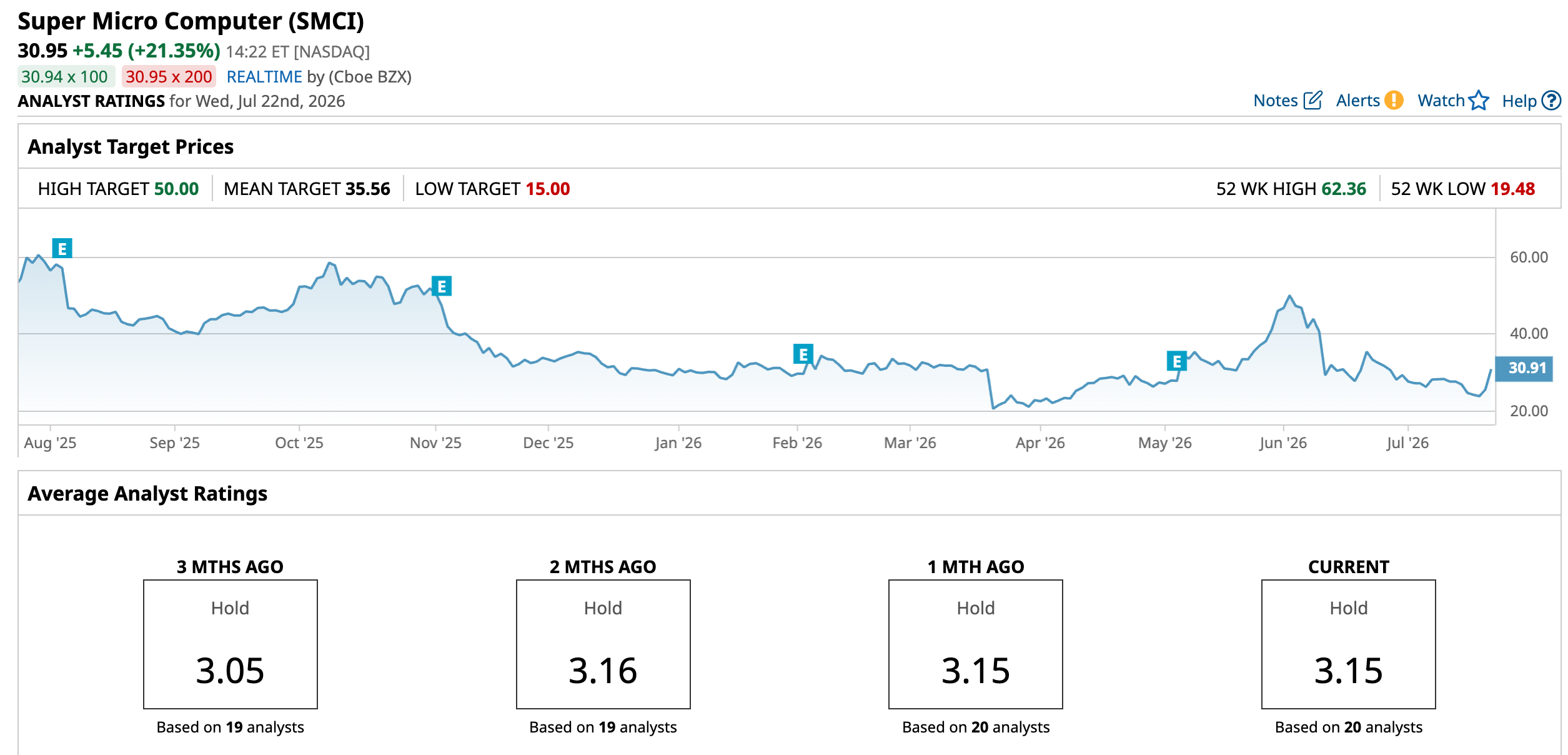
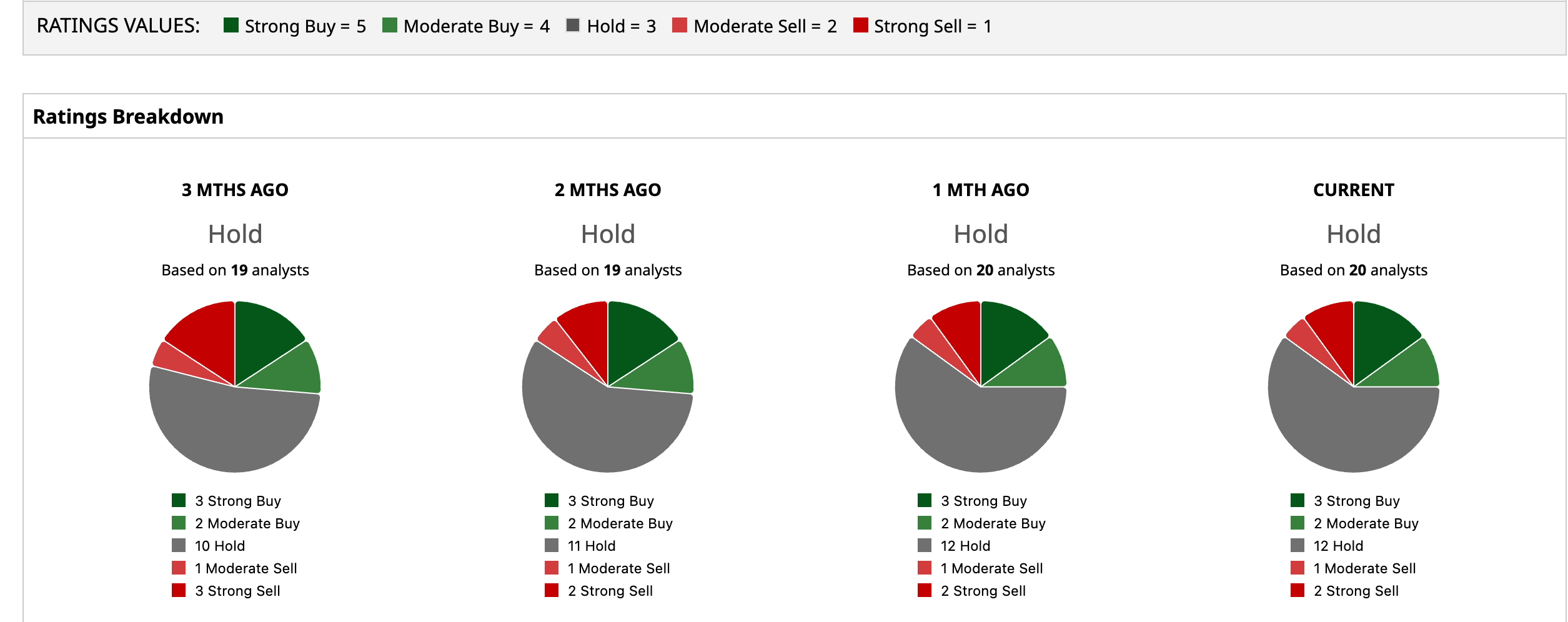
The $60 billion order number is real and the margin beat is real, but neither erases a revenue print at the low end of guidance or a still-undisclosed backlog balance. Super Micro shares trade at a fraction of Dell's scale and carry a "Hold" consensus on Wall Street with price targets spanning $15 to $50. That's a wide range that reflects genuine disagreement about which Super Micro shows up on August 11.
Regardless of how the stock trades into that date, investors should wait for audited numbers, a quantified backlog, and a resolution of the chip scandal before treating this preannouncement as confirmation the turnaround is complete.
On the date of publication, Rich Duprey did not have (either directly or indirectly) positions in any of the securities mentioned in this article. All information and data in this article is solely for informational purposes. For more information please view the Barchart Disclosure Policy here.