
 Nasdaq
 华尔街日报
华尔街日报Multifamily Aquatics Management: More than Pool Chemicals
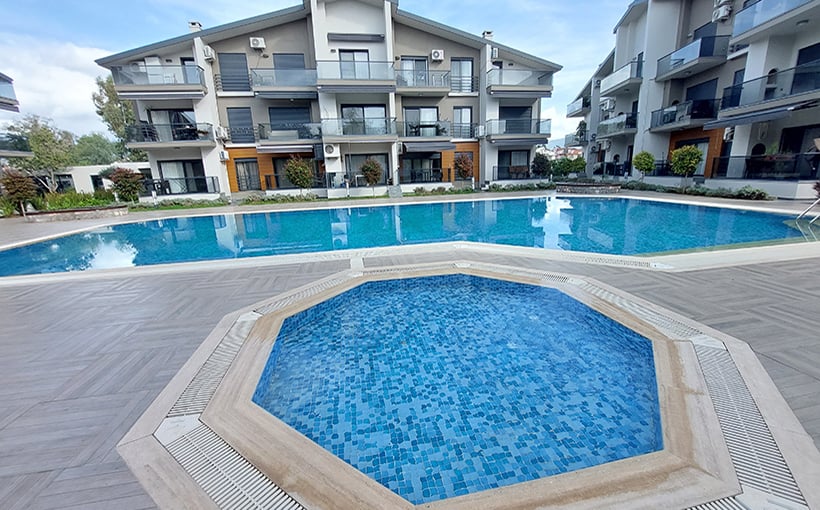

Mention the words “apartment, aquatics, and amenities,” and what likely comes to mind are swimming pools. Certainly, pools are standard with many properties and require management to ensure the health and safety of residents.
However, according to Phil Carter, The Amenity Collective’s Executive Vice President, there’s more to these aquatic amenities than shock chemicals and pool skimmers. Carter answered questions from Connect CRE about what multifamily owners and operators should consider with water-specific features.
Q. Does “aquatic amenities” include more than pools?
A. Yes. Amenities under this category extend far beyond the standard lap pool. We define this category as the complete recreational water environment designed for resident engagement. In addition to traditional swimming pools and spas, it also encompasses increasingly high-value assets, such as splash pads and play structures, lazy rivers, and decorative elements like fountains and waterfalls. Additionally, the definition includes the surrounding “dry” environments that drive utilization, such as pool decks, sunshelves and poolside lounge areas.
Q. Aside from keeping things clean and sanitary, what operational issues are involved in maintaining aquatic amenities?
A. Water quality is just the baseline. True operational excellence depends on a multifaceted approach that includes regulatory compliance, staffing and facility management.
Facility management involves maintenance of the physical environment, including the pump house, the numerous pieces of pool equipment, appropriate landscaping, keeping the bathrooms sanitized and maintaining the deck and furniture. Staffing means management of aquatic workers like pool operators, lifeguards, attendants or technicians.
The most critical operational task is making sure the aquatics operate within defined health codes, which vary significantly by municipality. Most jurisdictions also require regular inspections by a Certified Pool Operator (CPO), with mandated check frequencies ranging from hourly to weekly.
Q. Then, there’s the liability factor.

A. Yes, there is. Liability is omnipresent, with specific exposure depending on the site’s classification. If it’s unguarded, the concern is chemical imbalance, property inspection and reporting or remedying deficiencies. Guarded sites have all the liability of unguarded sites, with the added responsibility for the health and well-being of every patron inside the pool enclosure.
Q. Can the management activities mentioned be outsourced?
A. They can. Unfortunately, there is vendor fragmentation when handling operational issues due to a market gap. There are very few vendors that can provide the full spectrum of commercial pool services. Problems with this situation include a broken chain of custody or a lack of clear ownership. As in who owns the problem, the solution and the outcome? Also, coordinating opening and closing schedules seasonally is tight; doing so across different and unrelated companies is incredibly challenging. Then there is the “blame game” when it comes to warranty issues.
Q. Can you provide an example?
A. Sure. Let’s take the maintenance of a plaster warranty, which is most commonly voided due to poor care and maintenance. With the fragmented approach, the builder blames the plasterer, the plasterer blames the service company, and the service company blames the maintenance team. They all touched the chemical balance, but none will take responsibility for it.
Q. So, can integrated aquatics management help with such issues?
A. Yes, because integration management eliminates “chain of custody” problems I mentioned before. When one entity is responsible for inspection, chemical balance, staffing, and repairs, there is no ambiguity about the duty of care. An integrated setup mitigates liability through a holistic approach that ensures deficiencies are remedied immediately, rather than being lost in communication between vendors. This reduces negligence claims.

Q. What should owner-operators examine when looking for an integrated aquatics manager?
A. The first step is to examine the local health code requirements and figure out the level of service needed to meet them. You may need a full turnkey solution or something less, but beware of companies that claim to do it all. This is rarely the case. When evaluating an aquatics management partner, make sure that everything is offered under that company’s umbrella of services. Ask for proof that the partner performs the work, rather than managing and outsourcing everything to subcontractors.
With an integrated solution, the organization is there to ensure success, not to shift blame.
An earlier version of this article appeared on ApartmentBuildings.com.
The post Multifamily Aquatics Management: More than Pool Chemicals appeared first on Connect CRE.